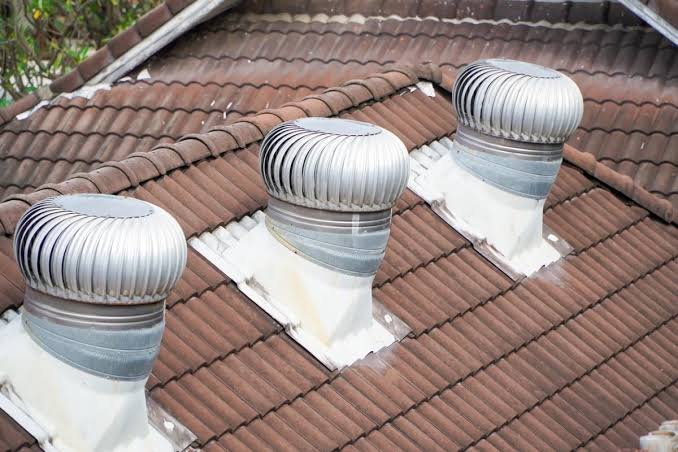

Your roof is designed to protect your home from the elements, but its performance depends on more than quality shingles and proper installation. What happens underneath the roof, particularly inside the attic, plays a significant role in determining how well the entire roofing system holds up over time. Many homeowners don’t think about attic ventilation until they experience rising energy bills, moisture problems, or signs of premature roof wear. Installing proper ventilation, including attic fan installation Sacramento, CA, can help improve airflow and reduce the conditions that contribute to long-term damage.
Because the attic is rarely part of a homeowner’s daily routine, ventilation issues often develop unnoticed. Heat can become trapped during the summer, while moisture builds up during cooler months. Over time, this combination places unnecessary stress on roofing materials, insulation, and even the structural components of the home. Understanding how ventilation affects your roof is an important step toward protecting your investment and maintaining a more comfortable living environment.
Signs Your Attic May Not Be Ventilating Properly
Poor attic ventilation doesn’t always produce obvious warning signs at first. Instead, the symptoms tend to appear gradually and may seem unrelated to the attic itself. If you notice several of the following issues, it may be time to have your attic evaluated:
- Upstairs rooms remain much warmer than the rest of the house.
- Your air conditioner runs longer than usual during hot weather.
- Utility bills continue to increase despite normal energy usage.
- You notice moisture or condensation inside the attic.
- A musty odor develops near the upper level of the home.
- Insulation appears damp or compressed.
- Mold or mildew is visible on attic framing.
- Roofing materials seem to be aging faster than expected.
- Ice dams frequently form during colder months in areas where freezing temperatures occur.
While these signs don’t automatically confirm a ventilation problem, they often suggest that heat and moisture are not escaping the attic as effectively as they should.
Why Proper Airflow Matters
Attic ventilation creates a continuous flow of air that helps regulate both temperature and humidity throughout the year. Fresh air enters through intake vents while warmer, moisture-filled air exits through exhaust vents, preventing excessive heat and dampness from accumulating beneath the roof.
When this airflow is restricted, temperatures inside the attic can rise dramatically during the summer months. The trapped heat doesn’t remain isolated above the ceiling. Instead, it transfers downward into the living space, making it more difficult for the air conditioning system to maintain comfortable indoor temperatures. As a result, the HVAC system works harder and consumes more energy, often leading to higher utility bills.
Excess Heat Can Shorten the Life of Your Roof
Many roofing materials are built to withstand years of exposure to sunlight and changing weather conditions. However, constant heat trapped beneath the roof adds another source of stress that homeowners rarely consider.
Extreme attic temperatures may contribute to premature aging of roofing components by causing shingles to deteriorate more quickly over time. Prolonged heat exposure can also affect roof decking and other structural materials, reducing their durability. While these changes happen gradually, they can shorten the overall lifespan of the roofing system and increase maintenance costs.
Keeping attic temperatures closer to outdoor conditions helps reduce this unnecessary strain and supports the long-term performance of the roof.
Moisture Can Be Just as Harmful
Heat isn’t the only concern. Moisture can quietly create problems throughout the attic, particularly during cooler seasons when warm indoor air rises and meets colder roof surfaces.
Condensation may begin forming on wood framing, insulation, and roof decking. If the moisture cannot escape through proper ventilation, it creates conditions that encourage mold, mildew, and wood deterioration. Damp insulation also loses much of its effectiveness, making it harder to maintain comfortable indoor temperatures.
These issues often remain hidden until visible damage appears or musty odors begin spreading throughout the home.
A Healthy Attic Supports the Entire Home
The condition of your attic influences much more than your roof. Proper ventilation helps create a healthier environment for several important systems within the home.
Well-balanced attic airflow can contribute to:
- More consistent indoor temperatures throughout the house.
- Improved performance of heating and cooling equipment.
- Better protection for insulation and structural framing.
- Reduced moisture buildup that can lead to mold growth.
- Greater energy efficiency during both summer and winter.
- Longer-lasting roofing materials.
When all of these benefits work together, homeowners often notice improvements in both comfort and long-term maintenance costs.
Why Professional Evaluation Is Worth Considering
Because attic ventilation problems develop gradually, they are often difficult to identify without a thorough inspection. A professional can evaluate whether intake and exhaust vents are providing balanced airflow, inspect insulation for signs of moisture, and determine whether additional ventilation solutions would improve overall performance.
Rather than waiting until roof damage or moisture issues become visible, addressing ventilation concerns early allows homeowners to protect both the roof and the rest of the home’s structure. Small improvements made today may help prevent much larger repairs in the future.
Final Thoughts
Your attic may not be a space you think about often, but its ventilation has a lasting impact on the health of your roof and the comfort of your home. Poor airflow can trap heat and moisture, creating conditions that affect roofing materials, insulation, energy efficiency, and indoor air quality. Because these problems often develop slowly, they can go unnoticed until repairs become necessary.
Taking steps to improve attic ventilation is a practical investment in your home’s long-term performance. With proper airflow, your roof is better protected, your HVAC system doesn’t have to work as hard, and your home remains more comfortable throughout the changing seasons.